Understanding whole home remodel cost before your first conversation with a design team is one of the most useful things a homeowner can do.…
Articles
Home Renovation Checklist: 10 Things to Do Before Construction Starts
A home renovation checklist is the fastest way to protect the budget and schedule of a home renovation project before the first wall is opened. Most of the decisions that make or break the renovation process happen before construction starts, not during it. A good checklist is the first step in getting a renovation off to a strong start, and this guide walks through ten things to do before the crew arrives. In this blog, we cover:
- What to do before a home renovation starts, in order
- Ten checklist items covering budget, permits, design, and your household
- How to set up the schedule and communication plan
- How to plan for surprises behind the walls
- Common questions about timing, permits, and cost
What Should You Do Before a Home Renovation Starts?
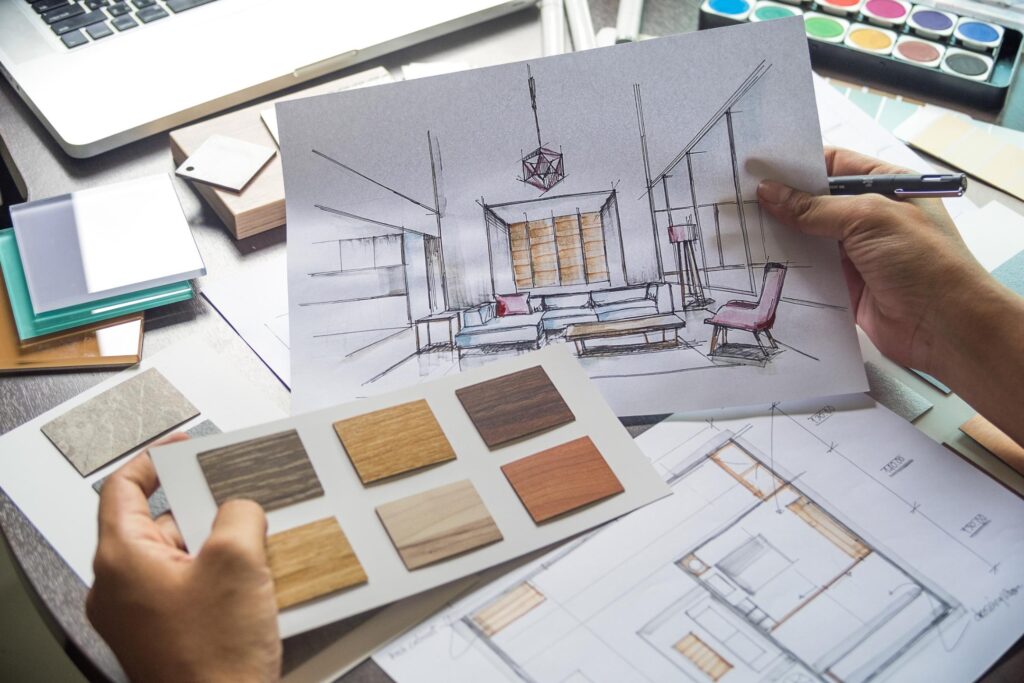
Before a home renovation starts, set a budget, define the scope, choose a team, confirm permits, finalize the design and selections, review the contract, prepare your home, and plan for surprises. Doing these things before construction begins is what keeps a remodeling project on schedule and on budget.
Planning matters because budgets on renovation projects slip even when homeowners set them. According to the 2026 U.S. Houzz & Home Study, 75% of renovating homeowners set an initial budget in 2025, but 37% still went over it, which is why most of the items below happen before the first wall is opened.
We are proud to serve homeowners in Oak Park, IL, and nearby communities with full design-build remodeling, and every project starts with a home renovation process built around this kind of checklist.
| Checklist Item | Why It Matters |
| Budget and financing | Prevents overruns |
| Scope and priorities | Keeps the plan focused |
| The right team | One point of accountability |
| Permits | Avoids delays and resale problems |
| Design and 3D plans | Decisions made on screen |
| Selections and orders | Materials arrive on time |
| Contract and warranty | Clear scope and coverage |
| Home preparation | Protects belongings and routines |
| Schedule and updates | No surprises on timing |
| Reserve for surprises | Covers hidden conditions |
10 Things to Do Before Construction Starts
Work through this home remodel checklist in order, since each item builds on the one before it. Check them off before demolition and the project starts on a much stronger footing.
1. Set a Realistic Budget and Financing Plan
A realistic renovation budget covers the full project cost plus a reserve for surprises, and it is set before design decisions are made. Decide how the project will be funded at the same time, since financing choices can change what is possible.
- Reserve: Set aside 10 to 15 percent for unforeseen conditions.
- Financing: 4Ever Remodeling works with partners offering home improvement loans, construction loans, home equity options, and flexible payment programs.
- Priorities: Rank spending by impact so any cuts are easy to make.
2. Define the Scope and Priorities
The scope is the complete list of what the project includes, and it should be defined before the budget is locked, because a budget built on a partial picture is almost always too low. Separate must-haves from nice-to-haves so later decisions stay simple.
- Room by room: List every space and what changes in each one.
- Systems: Include plumbing, electrical, and HVAC in the scope, not just finishes.
- Must-haves first: Rank features so any trade-offs are made on paper.
3. Choose the Right Design-Build Team
The right renovation team handles design, permits, construction, and warranty under one accountable roof, so you are not coordinating separate companies. Compare renovation professionals on process and accountability, not just price.
- Licensing: Local licenses are required to pull permits.
- Warranty: Ask what is covered and for how long. 4Ever Remodeling backs every project with a three-year labor warranty.
- Communication: Ask how updates are delivered and how often.
4. Confirm Permits and Approvals
Most renovations involving structural, electrical, plumbing, or mechanical work need permits from the local building department, and additions may also need zoning approval. Confirm early, because permit timing can set the start date.
- Permit coordination: At 4Ever Remodeling, a dedicated permit coordinator handles the applications.
- Zoning and HOA: Check setbacks and association rules for additions and exterior changes.
- Inspections: Rough work is inspected before the walls close.
5. Review the Design and 3D Plans

A complete design phase gives you a 3D render and construction plans to approve before demolition, so decisions are made on screen and not on the job site. This is the best protection against mid-project changes.
- 3D render: See the finished space before anything is built.
- Plan set: Floor plans, elevations, and electrical details become the crew’s roadmap.
- Sign-off: Approve the design before construction begins.
6. Finalize Selections and Order Materials
Selections should be finalized and long-lead materials ordered before demolition, because nothing can be ordered until choices are final and some items take weeks to arrive. Custom and special-order products are the usual cause of waiting.
- Design studio selections: Choose finishes, fixtures, and materials with your designer.
- Lead times: Custom cabinets, specialty tile, and made-to-order items take longest.
- Damaged deliveries: Replacements go through the vendor and can add time.
7. Review the Contract, Allowances, and Warranty
The contract should spell out the scope, schedule, payment terms, and warranty coverage, with no gaps between design and construction. Read the allowances closely, since they are estimates that can move with supplier pricing.
- Allowances: Estimated amounts for selections that are finalized during design.
- Payment terms: Payments follow project progress, with the timeframe written into the contract.
- Closeout: A final inspection confirms all major systems are working after the renovation, a final waiver of lien follows final payment, and the warranty begins.
8. Prepare Your Home and Household
Plan for the work area to be off limits during construction, and set up the household around it before the crew arrives. A little preparation keeps daily routines moving while the project runs.
- Temporary setup: Arrange a temporary kitchen or an alternate bathroom if either is being remodeled.
- Clear and protect: Move belongings out of the work zone and protect nearby rooms.
- Neighbors: Give neighbors a heads-up about dumpsters, vehicles, and longer work hours.
- Final touches: Cleaning and unpacking belongings finish the project, so plan time for moving back in.
9. Confirm the Schedule and Communication Plan
Confirm the start date, the expected duration, and how you will receive updates before the project begins. Home renovations can take 3 to 6 months to complete once planning, design, and construction are counted, and whole home remodels run longer. A clear communication plan is what keeps a renovation from feeling out of control.
- Start window: At 4Ever Remodeling, clients choose a start window between 60 and 120 days from contract signing.
- Kickoff call: A short call walks through what to expect and how to use the client portal.
- Weekly updates: Updates arrive weekly through the Buildertrend app from the day the contract is signed, so you can review progress at every stage.
10. Plan for Unforeseen Conditions
Plan for surprises behind the walls, because no one can see what is there until demolition begins, especially in older homes. The reserve in your budget exists for this, and candid communication keeps it from becoming a conflict.
- Older homes: Outdated wiring, plumbing, or water damage can appear once walls open.
- Pricing on discovery: Repair pricing is provided as items are discovered.
- Quick decisions: Staying reachable for approvals keeps the schedule moving.
Common Questions About Preparing for a Home Renovation
Renovation planning raises a consistent set of questions, especially around timing, permits, and cost. Here are the ones Oak Park homeowners ask most often.
How far in advance should I plan a home renovation?
Start several months ahead. At 4Ever Remodeling, clients choose a construction start window between 60 and 120 days from contract signing, which covers design, selections, permits, and material ordering.
Do I need to move out during a renovation?
Not usually for a single room, since most households stay home and use another kitchen or bathroom. Whole home remodels often need temporary housing, and the work area is off limits either way.
What permits does a renovation need?
Structural, electrical, plumbing, and mechanical work generally requires permits from the local building department. At 4Ever Remodeling, a permit coordinator handles the applications.
How much should I set aside for unexpected costs?
A reserve of 10 to 15 percent of the project total is standard practice, and older homes are where it is most often used.
How much does a home renovation cost?
It depends on the rooms and package level. At 4Ever Remodeling, kitchen remodeling starts at $55K, bathroom remodeling at $30K, and whole home remodeling at $205K. The price guide lists each by size and package.

Start Your Renovation on the Right Foot With 4Ever Remodeling
A renovation goes smoothly when the budget, design, permits, and schedule are settled before construction begins. Each item on this checklist removes a source of surprise, and together they turn a big project into a manageable one.
At 4Ever Remodeling, we have been remodeling homes across the Chicago area since 2011, and every project is backed by a three-year labor warranty.
Ready to work through your checklist with a design team? Start your renovation checklist with our designers and schedule your design consultation today.

Written By: 4Ever Remodeling
Recent Articles